
We’re committed to improving the lives of people with gastrointestinal and liver conditions, supporting research, advocating for appropriate patient access to healthcare, and promoting gastrointestinal and liver health.
IBS Awareness Month
April is irritable bowel syndrome awareness month. Learn more about this common condition. Click here +

IBS Facebook Group
Our new IBS support group on Facebook is a safe space to discuss the condition with others affected by it. Join now +

The Inside Affair
This networking event generates essential new funds for our charitable work. Buy Tickets +

Unmet Needs in IBD Survey
If you live with inflammatory bowel disease (including Crohn’s disease and ulcerative colitis), tell us about your experiences. Take the survey +

CDI Patient Journey
C. difficile infection occurs when the Clostridioides difficile bacterium grows out of control in the gut. Learn about the journey +
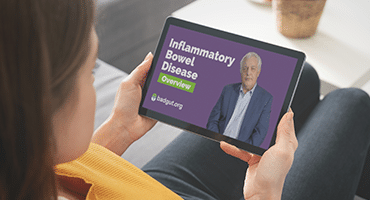

Digestive System for Kids
Our new program aimed at providing fun, accurate, educational material for children to learn about the digestive system. Click here +

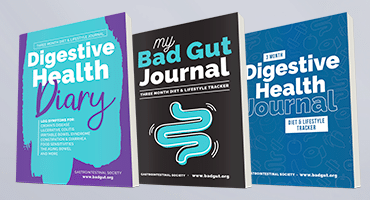
Printed Journals
Take control of your health with the GI Society’s new three month digestive health trackers. Learn more +
Support our charitable programs by making a donation.
All Canadian donations are eligible for an official tax receipt and go toward supporting our mission.
Latest News

British Columbians Deserve Equitable Medication Care
British Columbians Deserve Equitable Medication Care Recent report highlights BC Government’s lack of funding to support patients with a rare gastrointestinal syndrome and many other [...]

Video: The Obesity Journey
Video: The Obesity Journey Video Transcript Each person living with obesity has a unique journey, and many face a [...]

Unmet Needs in IBD Survey 2024
Survey: Unmet Needs in IBD Please take part in this survey about the Unmet Needs in Inflammatory Bowel Disease (IBD). The worldwide effects of [...]

Public Medication Coverage in BC
BC Patient Coalition Calls on Minister Dix to Expand Public Medication Coverage Download our report MEDIA RELEASE Vancouver – January 18, [...]
Videos: IBD Patient Interviews
Video: IBD Patient Interviews We had candid discussions with patients across the country, in both English and French, about the reality of living with IBD. [...]

The IBS Patient Experience – Journal Article
Journal Article: The IBS Patient Experience Gail Attara, President & Chief Executive officer Gastrointestinal Society Irritable bowel syndrome (IBS) is a common functional condition [...]
Gastrointestinal & Liver Topics
Our core topics are available free on our website (see list below) as downloadable PDFs and as printed pamphlets.

We’re committed to improving the lives of people with gastrointestinal and liver conditions, supporting research, advocating for appropriate patient access to healthcare, and promoting gastrointestinal and liver health.
Email News Sign Up
Join the badgut.org email list and receive the latest news on digestive health, BadGut® Lectures, events, and more. Click here.